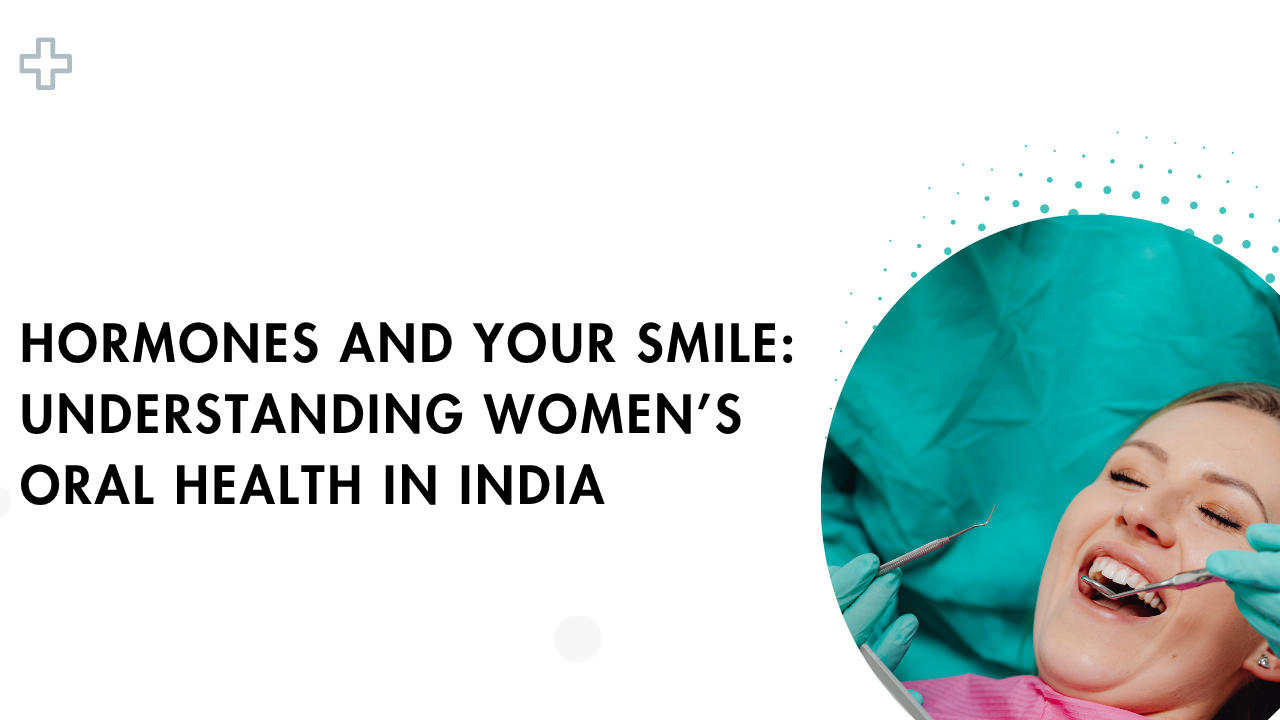
Hormones impact much more than most people realize. They influence energy, mood, metabolism, and even the way we smile. From adolescence through menopause, a woman’s body experiences ongoing hormonal changes, each of which affects oral health in some way.
Although this connection is often overlooked, it plays a significant role in gum sensitivity, tooth strength, and even breath freshness. In countries like India, where women frequently balance many responsibilities and often prioritize their family’s health over their own, oral care can sometimes be neglected. However, the condition of your mouth can reveal important information about your overall health.
Understanding how hormonal fluctuations impact oral health is not just about keeping a beautiful smile—it’s about protecting overall well-being. Let’s look at how different stages in a woman’s life influence her oral health and what simple habits can help maintain it.
Early Changes: Puberty and Menstrual Cycles
The first major hormonal shifts occur during puberty. As estrogen and progesterone levels increase, the body undergoes many visible changes, including in the gums. Increased blood flow to the gums can cause them to become more sensitive, swollen, or prone to bleeding.
During this time, even small amounts of plaque can cause irritation, potentially leading to mild gingivitis if not properly managed. The same hormones responsible for emotional and physical changes also affect how gum tissue reacts to bacteria.
For many young girls, this may be the first time they notice bleeding when brushing or flossing. While common, it signals that the gums need gentle and consistent care. Establishing good oral hygiene habits early helps build a foundation for healthy teeth throughout life.
Simple Habits to Begin Early
- Brush gently twice daily with a soft-bristle toothbrush.
- Rinse your mouth after meals, especially after consuming sugary foods.
- Don’t skip flossing, as it helps prevent gum inflammation.
- Regular dental visits can catch early signs of gum sensitivity or cavities.
Hormonal changes during puberty are natural. What’s important is to respond with care and awareness rather than letting problems worsen.
Pregnancy: The Intersection of Oral Health and Motherhood
Pregnancy is an extraordinary time, but it also brings a surge of hormonal changes that affect oral health. Higher levels of estrogen and progesterone can make gums more sensitive to plaque, causing inflammation known as pregnancy gingivitis.
Morning sickness, frequent snacking, and cravings can alter the mouth’s pH balance, making teeth more susceptible to erosion and sensitivity. Sometimes, a painless gum growth called a pregnancy tumor (pyogenic granuloma) may appear—it’s harmless but requires professional attention.
Despite these changes, oral care is often neglected during pregnancy due to the mistaken belief that dental treatments are unsafe. In truth, maintaining good oral hygiene during pregnancy is crucial not only for the mother’s health but also for the developing baby.
Oral Care Advice for Pregnant Women
- Arrange a dental check-up early in pregnancy to evaluate gum health.
- If you experience morning sickness, rinse your mouth with a gentle baking soda solution to neutralize acids before brushing.
- Maintain a balanced diet rich in calcium, vitamin D, and folate by including leafy greens, dairy products, and ragi.
- Keep yourself well-hydrated and use an alcohol-free mouthwash if necessary.
By prioritizing oral health, expectant mothers not only protect their smiles but also support their baby’s overall well-being.
Hormonal Contraceptives and Oral Sensitivity
The use of birth control pills and other hormonal treatments has empowered women to manage their reproductive health, but these medications can also subtly affect oral health.
Estrogen and progesterone in contraceptives may increase the body’s inflammatory response to dental plaque, sometimes causing gum tenderness or slight swelling. Some women may also experience decreased saliva production, leading to dry mouth. Since saliva helps remove bacteria and maintain a balanced pH, reduced saliva can raise the risk of cavities.
These effects don’t occur in everyone, but being aware of them helps prevent problems. Maintaining a regular oral hygiene routine can effectively counter these changes.
Helpful Oral Care Tips for Women Using Hormonal Medications
- Inform your dentist if you are taking birth control pills or hormone therapy.
- Drink plenty of water throughout the day.
- Chew sugar-free gum to boost saliva production.
- Avoid tobacco and alcohol-based mouthwashes, which can worsen dryness.
Even small changes can have a significant impact. Hormonal medications don’t have to cause oral discomfort—awareness and prevention are key.
Menopause: How It Affects Your Smile
During menopause, estrogen levels naturally drop, impacting various body systems, including oral health. Lower estrogen can cause dry mouth (xerostomia), altered taste, and a higher risk of gum disease.
Reduced saliva leads to discomfort and makes teeth more prone to decay and bad breath. Bone density, especially in the jaw, may decrease over time, resulting in loose teeth or receding gums. Some women might also suffer from Burning Mouth Syndrome, a persistent burning or tingling sensation often linked to hormonal shifts and nutritional deficiencies.
Protecting Oral Health During Menopause
- Stay well-hydrated by drinking water regularly.
- Limit caffeine and alcohol intake, as they can increase dryness.
- Include calcium-rich foods such as yogurt, paneer, and sesame seeds in your diet.
- Use gentle, moisturizing toothpaste or gels formulated for dry mouth.
- Maintain regular dental appointments to monitor gum and bone health.
Menopause is a period of change physically, mentally, and emotionally. Approaching it with attentive care helps keep your smile healthy and confident throughout this stage and beyond.
Beyond Hormones: The Impact of Lifestyle
Although hormones have a major influence, your everyday habits largely determine how well your oral health endures through different stages. Factors like diet, stress levels, hydration, and oral hygiene all interact with hormonal shifts to affect the condition of your gums and teeth.
Diet and Nutrition
Essential nutrients such as vitamin C, calcium, and vitamin D play a vital role in maintaining healthy gums and strong bones. In India, traditional foods like amla, spinach, sesame seeds, and dairy products are rich sources of these nutrients.
Limiting intake of excessive sugar and refined carbs helps reduce plaque formation. Instead, opting for fresh fruits, fiber-rich vegetables, and whole grains can naturally clean teeth while supplying important minerals.
Stress and Hormonal Balance
Ongoing stress can disrupt hormone levels and contribute to issues like teeth grinding (bruxism) and gum inflammation. Practices such as mindfulness, yoga, or simple breathing exercises can help lower stress and indirectly promote better oral health.
Sleep and Immune Function
Good quality sleep is often overlooked in oral care. Insufficient rest weakens the immune system, making the body more vulnerable to infections, including gum disease. When well-rested, the body heals more efficiently, combats bacteria effectively, and controls inflammation better.
A Contemporary Perspective: Women’s Oral Health in 2025
Dentistry today goes beyond just treating cavities; it emphasizes prevention and personalized care. In 2025, awareness of women’s oral health in India is rapidly increasing. Dental clinics nationwide are adopting digital technologies like intraoral scanners and AI-driven diagnostics to detect early gum and bone changes related to hormonal fluctuations.
This advancement is especially important in a country where women’s health awareness is growing. Many urban dental centers now provide specialized women’s dental programs tailored to different life stages—from adolescence through menopause. This comprehensive approach integrates oral health into a woman’s overall healthcare.
With greater awareness and improved access to dental services, perceptions are changing. Women are starting to recognize oral health not merely as a cosmetic issue but as a fundamental aspect of their overall well-being.
Building a Lifelong Oral Wellness Routine
| Life Stage | Hormonal Impact | Recommended Care |
| Puberty | Gum sensitivity, bleeding | Gentle brushing, regular cleanings, balanced diet |
| Menstrual Cycle | Temporary gum swelling | Maintain routine care, avoid harsh brushing |
| Pregnancy | Gingivitis, acid erosion | Second-trimester dental check-up, calcium-rich diet |
| Hormonal Contraceptives | Dry mouth, mild gum inflammation | Hydration, sugar-free gum, alcohol-free mouthwash |
| Menopause | Dry mouth, bone loss | Calcium supplements, saliva substitutes, and frequent check-ups |
Daily Practices That Make a Difference
- Brush your teeth twice daily for a minimum of two minutes.
- Use fluoride toothpaste to help protect and strengthen your enamel.
- Floss or use interdental brushes every day.
- Avoid frequent snacking between meals to minimize plaque buildup.
- Rinse your mouth after eating acidic or sugary foods.
Maintaining a simple and consistent oral care routine often benefits your dental health more than any treatment can.
A Smile That Reflects Inner Well-being
Your smile is more than just a facial expression—it reflects your overall health. Hormonal changes are a natural part of life, and understanding their impact allows women to take proactive steps. Whether you’re going through adolescence, pregnancy, or menopause, your oral health deserves as much care as any other part of your body.
In 2025, the modern Indian woman is reshaping healthcare by prioritizing awareness over avoidance and prevention over treatment. Oral health plays a vital role in this shift. It’s not only about having strong teeth but also about embracing strength, confidence, and self-care at every stage of life.
So, the next time you reach for your toothbrush, see it as a small act of empowerment—a reminder that looking after your smile means looking after your entire well-being.