We often think of our health in separate parts—like teeth, heart, skin, and lungs—each managed by its own specialist and checklist. However, the body doesn’t function in isolation; what happens in one area can unexpectedly influence another.
One of the most intriguing and increasingly recognized connections in modern medicine is between gum disease and heart disease. At first, this might seem like an unusual link. How could your gums possibly affect your heart?
Yet, ongoing research shows these two may be more closely related than previously believed. Harvard Health Publishing recently emphasised that bacteria and inflammation in the mouth can contribute to cardiovascular problems, such as heart attacks, the buildup of arterial plaque, and strokes.
This highlights that caring for your oral health isn’t just about avoiding cavities—it’s essential for your overall well-being.
Gum Disease: More Widespread Than You Might Realize
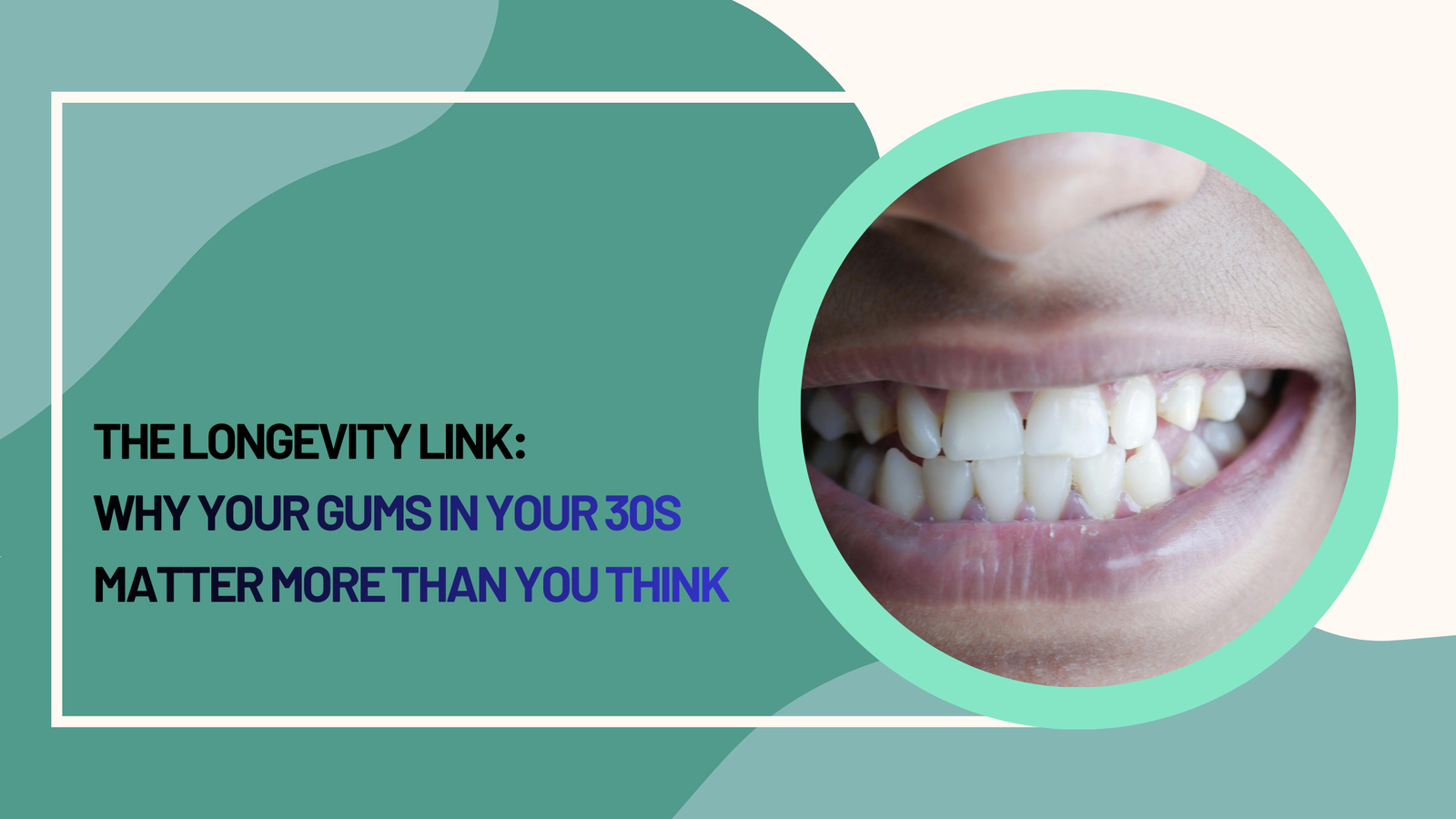
Let’s begin with the basics. Gum disease, also known as periodontal disease, often starts subtly. You might notice slight bleeding when brushing or flossing, or your gums may appear red or swollen. It’s easy to overlook these signs, but that’s how the condition progresses.
The initial stage, gingivitis, is inflammation caused by plaque—a sticky bacterial film that forms daily on your teeth. If untreated, gingivitis can advance to periodontitis, where gums begin to recede from the teeth, creating pockets that trap more bacteria. Over time, these bacteria can damage the bone supporting your teeth, potentially leading to tooth loss.
Harvard research indicates that about two-thirds of adults over 65 have some form of gum disease. More concerning is that many are unaware of it until it becomes severe.
Here’s where the connection deepens: the same bacteria causing gum inflammation may enter your bloodstream and quietly affect your heart.
The Mouth-Heart Link: How It Happens
The human mouth contains many bacteria—some beneficial, others harmful. Normally, good oral hygiene and the immune system keep them balanced. But when gum disease develops, harmful bacteria multiply and can enter the bloodstream through inflamed or bleeding gums.
Once in the bloodstream, these bacteria can attach to blood vessel walls, potentially causing inflammation, plaque buildup, and narrowing of arteries—a condition called atherosclerosis.
However, it’s not just the bacteria that pose a problem. The main concern is inflammation—a natural immune response that becomes damaging when it persists. Gum disease keeps the body’s inflammatory response constantly activated, and over time, this chronic inflammation can affect the entire body, including the cardiovascular system.
Scientists have even found the same bacteria linked to gum disease within the fatty deposits inside the arteries of people with heart disease.
Although the direct cause-and-effect relationship is still under investigation, the evidence is strong enough to change how we perceive oral health.
Shared Risk Factors: When Gum Disease and Heart Disease Follow Similar Paths
One reason gum disease and heart disease frequently occur together is that they share several common risk factors:
- Smoking: A significant factor contributing to both gum and heart issues.
- Poor diet: High intake of sugar and processed foods promotes harmful bacteria and increases cholesterol.
- Diabetes: Individuals with diabetes are more susceptible to gum infections and cardiovascular problems.
- Obesity: Linked to systemic inflammation and poor blood circulation.
- Stress and lack of sleep: Both weaken the immune system and heighten inflammation.
- Age: As we age, both gum and heart health require additional attention.
This overlap indicates that improving one area, such as oral hygiene, can indirectly benefit the other.
Why This Is More Important Than Ever
Modern fast-paced lifestyles have created ideal conditions for both gum disease and heart problems. Processed foods, sugary beverages, smoking, sedentary behavior, and stress all contribute to inflammation and disrupt bodily balance.
While awareness of cardiovascular health has increased in recent years, oral health often remains overlooked—until pain arises. By that point, damage may already be underway.
In 2025, as preventive health and integrative wellness become more mainstream topics, understanding the connection between oral and heart health is increasingly relevant. It’s no longer just about preventing toothaches or gum bleeding; it’s about adopting a holistic approach and recognizing that the mouth serves as a gateway to overall health.
What Science Is Saying (and Not Saying)
It’s important to clarify that researchers are still examining whether treating gum disease can directly prevent heart attacks or strokes. Current evidence shows a strong link but does not confirm direct causation.
This means that having gum disease does not guarantee heart disease, nor does treating gum disease automatically resolve heart conditions.
However, what is clear is that both conditions share common root causes and involve inflammation. Therefore, enhancing gum health through regular oral care and lifestyle improvements can certainly support better heart health overall.
Think of it as reducing your total “inflammation burden,” which can only be beneficial.
Recognizing the Warning Signs
Gum disease may develop without obvious symptoms, but your mouth provides clues. Be alert for:
- Gums that bleed easily during brushing or flossing
- Swollen, tender, or red gums
- Persistent bad breath
- Gums receding from the teeth
- Teeth feeling loose or appearing longer
- Changes in bite alignment or dentures fitting poorly
Though these signs may seem minor, they indicate ongoing inflammation—and identifying them early can make a significant difference.
Protecting Your Gums (and Your Heart) — Easy, Effective Tips
The good news is that preventing gum disease doesn’t require complicated measures. It’s all about being consistent and attentive. Here’s how to begin:
1. Brush Twice Daily — Properly
Use a soft toothbrush and fluoride toothpaste. Brush for at least two minutes, making sure to clean all areas, especially along the gum line where plaque tends to build up. Replace your toothbrush every three months.
2. Floss or Clean Between Teeth Every Day
Flossing removes food debris and bacteria that brushing can’t reach. If flossing is challenging, try interdental brushes or water flossers. The key is to do it regularly, regardless of the method.
3. Don’t Ignore Bleeding Gums
Bleeding gums are never normal; they indicate inflammation or infection. Instead of stopping, continue to brush and floss gently, which can help your gums heal over time.
4. Visit Your Dentist Regularly
Professional cleanings remove hardened plaque (tartar) that brushing alone can’t eliminate. Regular dental check-ups also help catch gum issues early before they become serious.
5. Eat Foods That Support Both Oral and Heart Health
Your diet greatly influences inflammation. Opt for foods that benefit your gums and heart, such as:
- Leafy greens, berries, and citrus fruits (rich in antioxidants and vitamin C)
- Whole grains, nuts, seeds, and fish (omega-3 fatty acids reduce inflammation)
- Limit intake of sugar, refined carbohydrates, and processed foods.
6. Quit Smoking
Tobacco harms gum tissue, slows healing, and raises the risk of heart disease. Quitting smoking is one of the best long-term health decisions you can make.
7. Manage Diabetes and Stress
Poorly controlled blood sugar and chronic stress increase inflammation and worsen gum problems. Mindfulness, regular exercise, and a balanced lifestyle can lower these risks.
8. Stay Hydrated
Drinking water helps wash away bacteria, maintains saliva flow, and supports overall health — a simple but vital habit.
Looking Beyond the Mouth: The Bigger Picture
Oral health reflects your overall well-being. A healthy mouth shows balance through good nutrition, hygiene, and low inflammation. Conversely, gum disease often signals imbalances elsewhere in the body.
By improving your oral health, you’re not just enhancing your smile; you’re promoting a positive chain reaction benefiting your heart, metabolism, immune system, and even mental health.
Your dentist is part of your broader healthcare team, not separate from it. Embracing this whole-body approach helps us prevent chronic diseases rather than just treating them after they develop.
Looking Ahead to 2025 and Beyond: A New Perspective on Health
Medicine is evolving from focusing solely on “treating diseases” to “understanding interconnected systems.” Organs like your heart, brain, gut, and gums are linked through intricate networks involving blood circulation, inflammation, the balance of microbiomes, and more.
The relationship between gum disease and heart health exemplifies how contemporary science is confirming what holistic medicine has long believed: that everything in the body is connected.
In the near future, we can expect increased collaboration between doctors and dentists, using oral health as an early warning sign for broader systemic illnesses. Sometimes, the earliest indications of heart problems might not appear on an ECG but could be noticed during routine dental care.
Key Insight: Small Habits Can Make a Big Difference
It’s common to overlook bleeding gums or skip dental visits, especially when life is busy and teeth appear healthy. However, chronic gum inflammation can silently affect your entire body.
Modern research and practical wisdom both emphasize the importance of:
- Maintaining healthy gums
- Managing inflammation
- Safeguarding your heart
Simply put, your toothbrush might be one of the easiest and most effective tools to support your heart health.