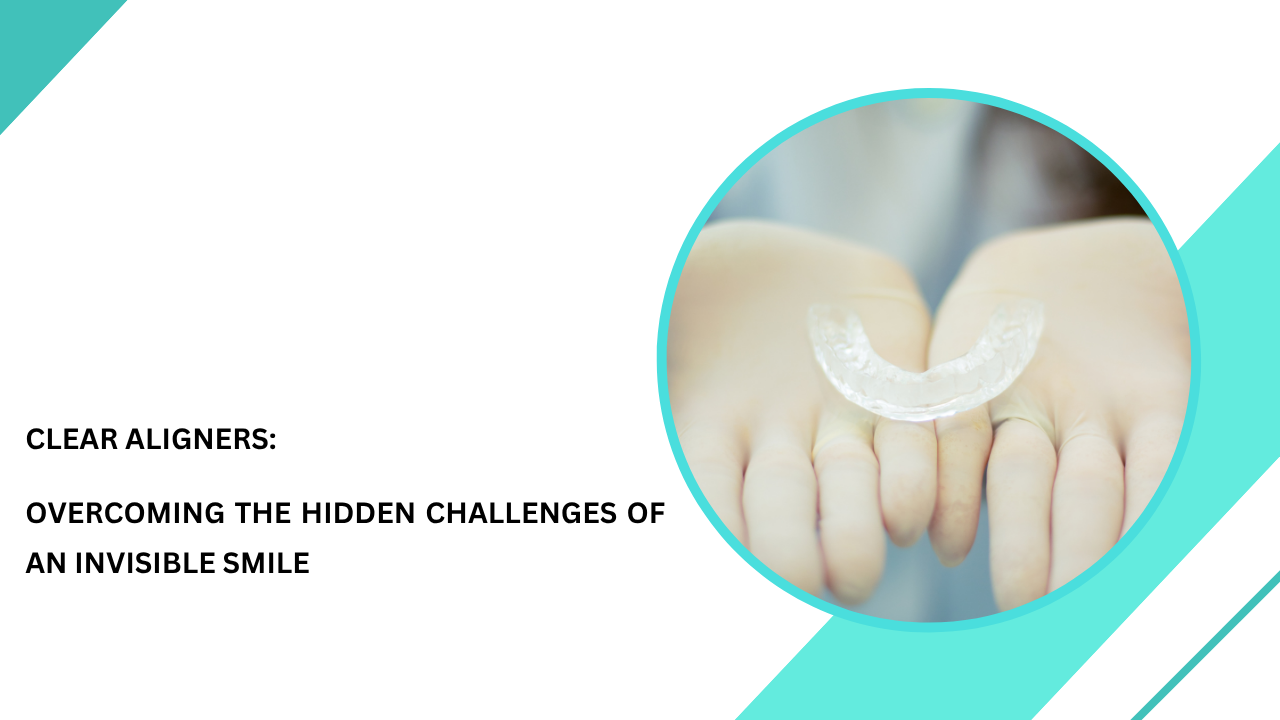
There’s no question that clear aligners have revolutionized orthodontic treatment. They are sleek, transparent, removable, and offer a way to straighten teeth without metal brackets or wires. For many, aligners strike the ideal balance between appearance and comfort.
However, while achieving a perfectly aligned smile may seem effortless, anyone who has used aligners knows there’s more involved. Behind the clear plastic trays lies a routine, discipline, and some challenges that you learn to handle along the way.
The good news? None of these challenges is insurmountable. With proper guidance and consistency, clear aligners can provide excellent results that are comfortable and predictable.
Let’s examine some common challenges people face with clear aligners in 2025 and how to overcome them to ensure your treatment remains smooth, effective, and stress-free.
1. Initial Discomfort
When you first start wearing your aligners, you’ll feel gentle pressure on your teeth. This pressure is what moves your teeth into place, but can cause some soreness or tightness initially.
This discomfort usually lasts only a few days as your teeth adjust. It’s a sign that your treatment is progressing, not something to worry about.
Tips to ease discomfort:
- Put in each new tray before bedtime so your teeth can adjust overnight.
- Eat softer foods like soups, smoothies, or rice during the first couple of days.
- Use dental wax if any sharp edges irritate your gums.
- If needed, mild over-the-counter pain relievers can help.
As your mouth gets used to the aligners, each new set will feel more natural and comfortable.
2. Adjusting Your Speech
It’s normal to notice slight changes in your speech when you start wearing aligners. Some people experience a mild lisp or feel like their tongue is “in the way.”
This happens because the aligners slightly change how your tongue contacts your teeth when speaking. Fortunately, this phase is temporary. Your mouth typically adapts within one to two weeks.
To speed up adjustment:
- Practice speaking more often—reading aloud or having conversations helps your tongue get used to the trays.
- Avoid removing your aligners while talking, as this delays adaptation.
- Be patient—your speech will soon return to normal.
3. Keeping Up Oral Hygiene
A major responsibility with clear aligners is maintaining the cleanliness of both your teeth and the trays. Since aligners fit tightly over your teeth, they can trap saliva and food debris if your mouth isn’t clean, leading to bad breath, plaque buildup, and cavities.
Good oral hygiene is straightforward—it’s about establishing a consistent routine.
Daily Hygiene Checklist:
- Brush and floss after every meal before putting your aligners back in.
- Rinse your trays with lukewarm water each time you take them out.
- Clean them using a clear, gentle soap or a special aligner cleaning solution (avoid hot water as it can deform them).
- Do not use toothpaste to clean your trays since it’s too abrasive and can cause cloudiness.
- Always store your aligners in their protective case when not wearing them.
Keeping your aligners clean not only improves their appearance but also maintains hygiene and treatment effectiveness.
4. Lost or Damaged Aligners:
Because aligners are removable, they can be easily misplaced. Many people accidentally wrap them in napkins during meals or leave them on tables, leading to loss.
Losing or breaking an aligner can delay your treatment or cause slight tooth movement.
Therefore, it’s important to be cautious.
Tips to avoid problems:
- Always carry your aligner case with you.
- When eating out, remove your trays discreetly and store them safely—never in napkins or pockets.
- If you lose or damage a tray, contact your orthodontist right away. They will advise whether to proceed to the next tray or temporarily wear the previous one.
- Do not force cracked trays onto your teeth, as this can affect tooth movement.
A little care can prevent weeks of extra treatment time.
5. Consistency: The Key to Success
One major advantage of clear aligners is their flexibility—you can remove them while eating or brushing. However, this freedom can also be a challenge. Aligners are effective only when worn consistently for 20 to 22 hours daily.
Skipping wear time occasionally may seem minor, but can delay progress and cause discomfort when reinserting trays.
To maintain consistency:
- Keep your aligners in except when eating, drinking anything other than water, or brushing.
- Use reminders or aligner-tracking apps to monitor your wear time.
- Establish a routine: remove, clean, eat, rinse, and reinsert in that order.
- If you tend to forget, place sticky notes on your dining table or set phone alerts.
Remember, wearing aligners longer in a single day doesn’t speed up treatment; steady, consistent use is most effective.
6. Poor Tray Fit or Gaps
Sometimes aligners may not fit snugly, which can occur if they aren’t worn enough or if your teeth move at a different pace than expected.
What to do:
- Use “chewies,” small silicone cushions that help seat your trays properly.
- Ensure your trays fully cover your teeth without visible gaps.
- Avoid switching to the next set early, even if the current one feels loose.
- If the tray still doesn’t fit well, contact your dentist for an adjustment.
A proper fit is essential to keep your treatment on track and achieve predictable results.
7. Gum Irritation and Discomfort
At times, the edges of your aligners may irritate your gums, especially when they are new. This can lead to mild soreness, but it’s manageable.
To avoid irritation:
- Apply dental wax to any sharp edges for added comfort.
- Rinse your mouth with warm salt water to soothe inflammation.
- Stay hydrated, as dryness can make irritation worse.
If the discomfort persists, your dentist can smooth or trim the aligner edges.
Keep in mind, your aligners should fit snugly without causing pain. If soreness lasts more than a few days, have them checked.
8. Post-Treatment: Using Retainers
Many believe that once they finish their last set of aligners, treatment is over. However, maintaining your new smile requires wearing retainers. After treatment, your dentist will recommend retainers to keep your teeth from shifting back.
Skipping this step can reverse months of progress.
To keep your results permanent:
- Wear retainers as directed—usually full-time initially, then only at night.
- Clean them just like your aligners.
- Replace them as advised.
- Attend follow-up appointments to monitor stability.
Retainers are essential for protecting your investment in both time and effort.
9. Setting Realistic Expectations
In today’s world of quick fixes, many expect aligners to work instantly. However, tooth movement is gradual and carefully controlled for safety.
Every smile is different, and treatment duration varies depending on complexity. Some cases may require refinements—additional trays to perfect the outcome.
Rather than focusing on speed, prioritize how well your teeth are aligning. Accuracy is more important than rushing the process.
10. Advances in Modern Aligner Technology
Clear aligners have advanced significantly in recent years. Digital dentistry, AI, and improved materials have made treatments more precise and reliable.
Trends for 2025 include:
- AI-powered treatment planning that simulates tooth movement for better accuracy.
- New materials that stay clear longer, resist stains, and maintain consistent pressure.
- Remote monitoring through smartphone scans reduces the need for office visits.
- Faster refinements thanks to enhanced 3D imaging.
These innovations lead to fewer delays, greater comfort, and improved long-term results.
11. Cost, Dedication, and Confidence
Aligner treatment is an investment in your appearance, confidence, and oral health. Although it may be pricier than traditional braces, the comfort and convenience often justify the cost.
The true expense lies in your commitment. Aligners only work if you wear them consistently, maintain good hygiene, and attend follow-ups.
Upon completing treatment, the benefit is more than just straighter teeth—it’s the confidence that comes with a smile you genuinely love.
12. The Psychological Aspect of Aligner Treatment
Many people don’t realize how aligners can subtly influence daily habits. You become more aware of your oral hygiene, your diet, and even how often you snack—since each snack requires you to remove and clean your trays.
Over time, this heightened awareness often encourages healthier habits—such as drinking fewer sugary beverages, improving brushing techniques, and enhancing overall dental care. Aligners don’t just transform your smile; they often shift your mindset toward greater self-discipline and health consciousness.
13. Looking Forward: The Future of Clear Aligners
With ongoing technological advancements, aligner therapy is becoming more accessible, efficient, and environmentally friendly. Innovations include recyclable materials and smart aligners that monitor wear time, emphasizing precision and sustainability.
In the coming years, we can expect even more breakthroughs—faster treatment times, increased comfort, and enhanced digital tracking. However, regardless of how sophisticated aligners become, the key to success will always be consistency.
Conclusion: The Path to Your Best Smile
Every clear aligner journey involves a learning process. From the initial days of discomfort to wearing your final retainer, each phase brings you closer to your goal—a smile that is not only straight but also healthy and confident.
There are challenges along the way—some discomfort, cleaning routines, and the discipline required to wear them as directed. Yet, every small effort contributes to a greater transformation.
Thanks to modern materials, digital planning, and expert support, achieving a perfect smile is now more attainable and predictable than ever.
So, whether you’re currently undergoing treatment or about to start, embrace the journey. Trust the technology, remain consistent, and remember that each clear aligner tray you wear is quietly shaping your future smile, one day at a time.